
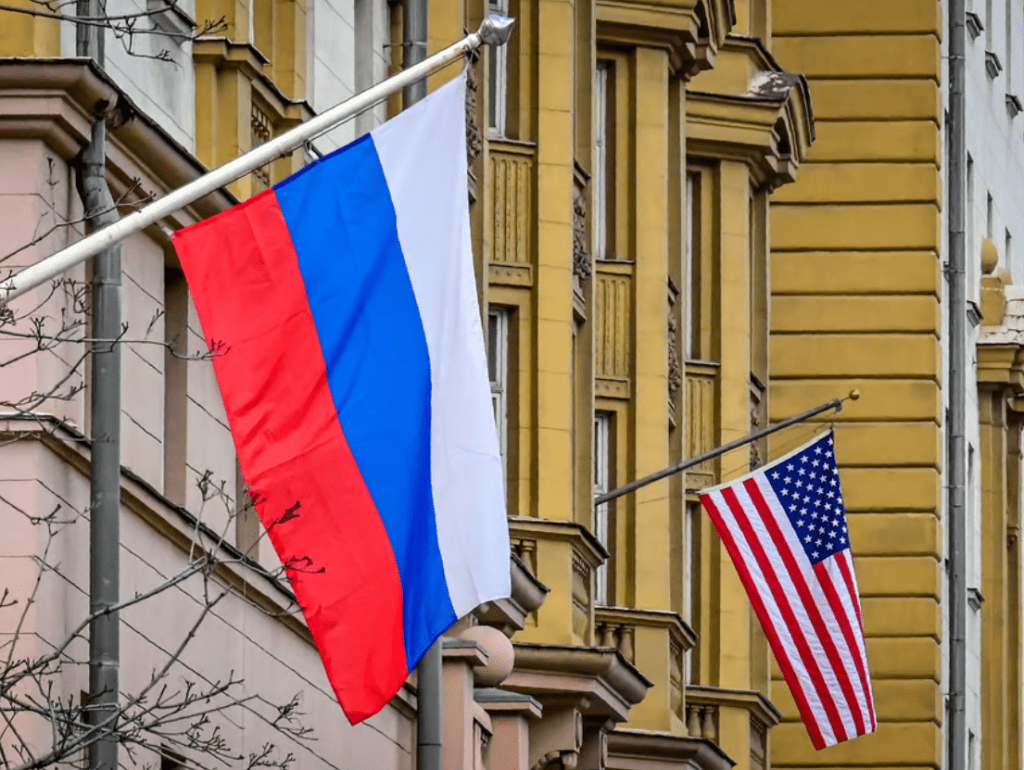
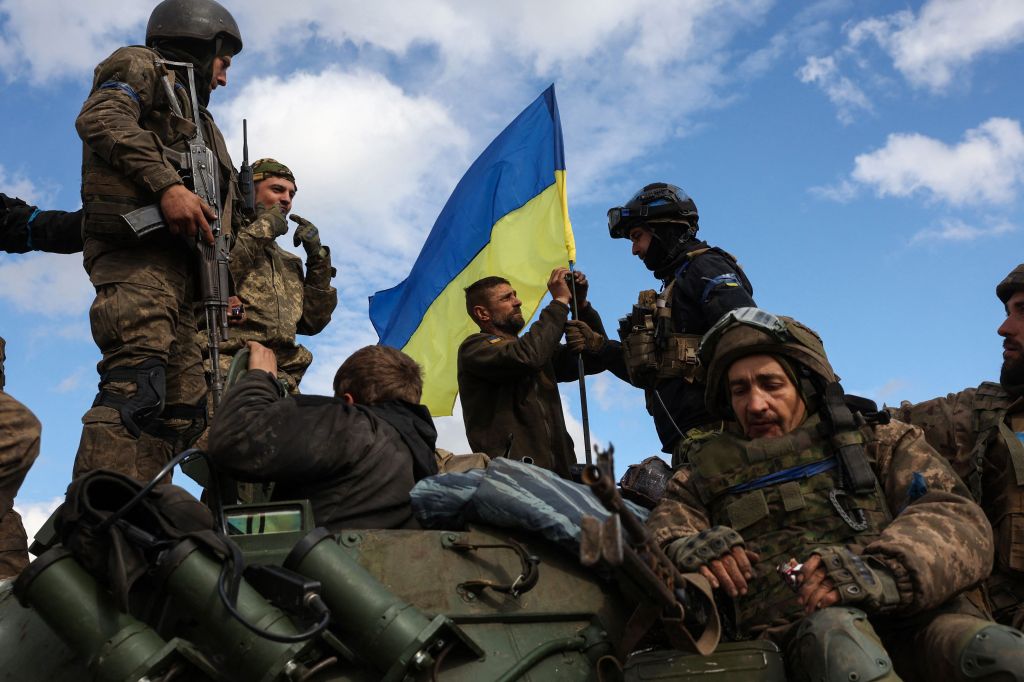
The Russian Invasion of Ukraine on the 24th of February 2022 will remain forever a day of horror for the Ukrainian people. While the world protested in shock, many Ukrainians were unsurprised by this latest outburst of Russian aggression. Everywhere, there are echoes of the Cold War, as the invasion leaves Russia and NATO on opposing sides once more. Unfortunately, now as then, Ukraine is the victim of this international boxing match – an unwilling and battered referee as NATO and Russia square up on opposite corners of the global fighting ring.
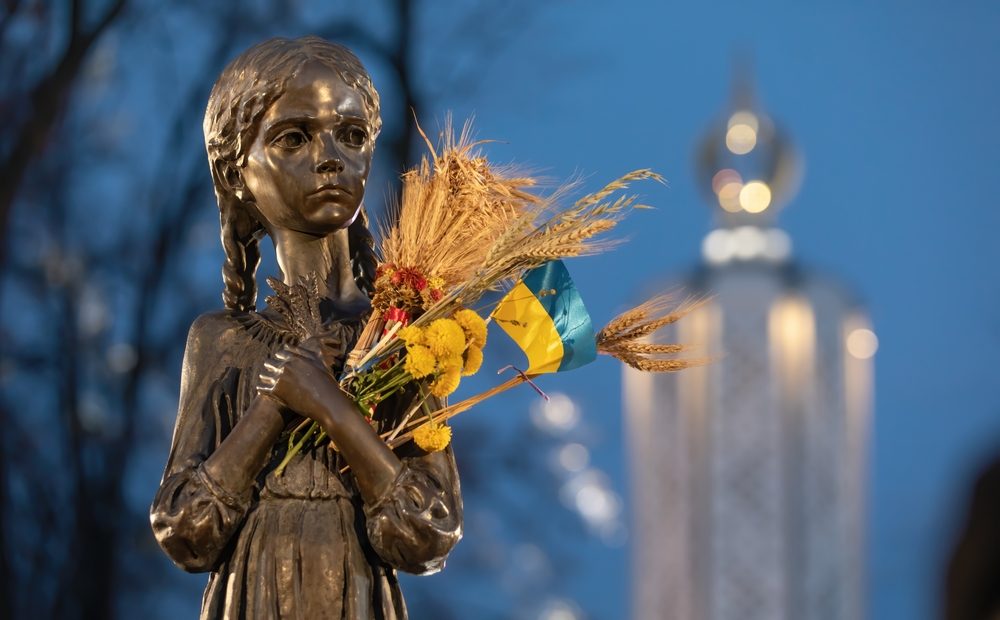
Less than one hundred years ago in Ukraine, in 1933, three million people died in Ukraine (13% of the country’s population) as a result of the Holodomor, also known as the Terror-famines or the Great Famine, which is considered genocide by the Ukrainian people. It was a human-made famine, committed by the leadership of the Soviet Union, particularly by Stalin’s policy of collectivisation, as a way of intimidating Ukrainians into following them and crushing the opposition, as well as a way of using the wheat produced by Ukrainian farmers to feed the other parts of the USSR. Joseph Stalin meant this as a way to punish these Ukrainian farmers for rejecting his policy of collectivisation, and ended up responsible for millions of deaths, half of which were Ukrainian.
Ukraine has always been a victim of Soviet hostility throughout history, and now it appears that history is repeating itself. This invasion is a continuation of a history of Russian imperialistic ambitions, which today are not draped in communist ideologies, as they were during the Cold War, but rather in Putin’s version of Russian nationalism.
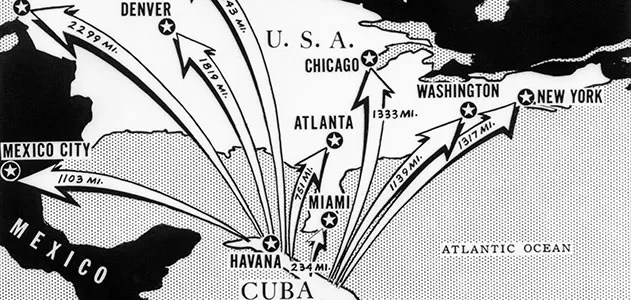
In 1962, there was a 13 day period in which the world was essentially on the brink of nuclear war. The Cuban Missile Crisis came about after the Cuban Revolution, when it became a communist country. Soviet leader Nikita Khrushchev set up nuclear missiles in Cuba, which was only 90 miles off the coast of Florida, meaning that major cities of the United States, such as Washington DC and New York City, were within range. Why did Khrushchev put the missiles on Cuba? The USA had had missiles in Turkey for a while, which had Moscow in range. The Soviet Union wanted to close the missile gap, while also protecting Cuba’s new communist regime and strengthening Khrushchev’s own power at home. One can compare the recent invasion of Ukraine to this crisis, in terms of escalation and danger. It’s Russia against NATO again, which sounds exactly like the Cold War.
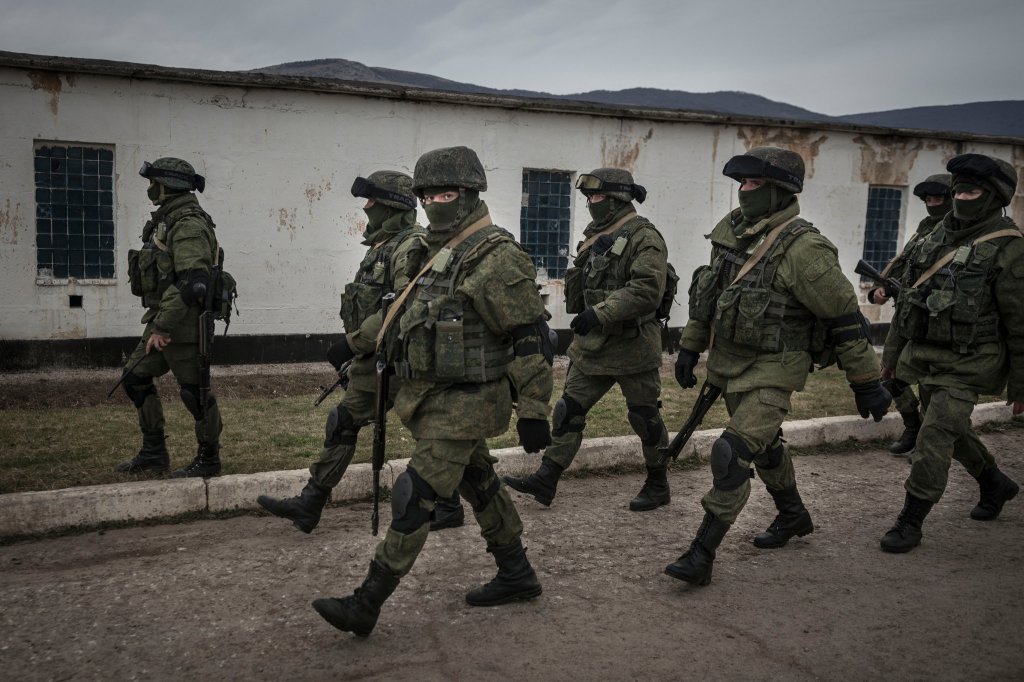
The aggression towards Ukraine is never ending, even when documents are signed to prevent it. In 1994, the Budapest Memorandum was signed, which stated that Ukraine would give up its nuclear arsenal left over after the Soviet Union dissolved in 1991 in exchange for a commitment from Moscow “to respect the independence and sovereignty and the existing borders of Ukraine.” This commitment has lasted less than thirty years, and it wasn’t just broken this year. The Annexation of Crimea of 2014 was another invasion of Ukraine in which Russia took over the Crimean peninsula. It was a violation of the Budapest memorandum and also of international law. Now, the new invasion is yet another repeat of hostility and violence.
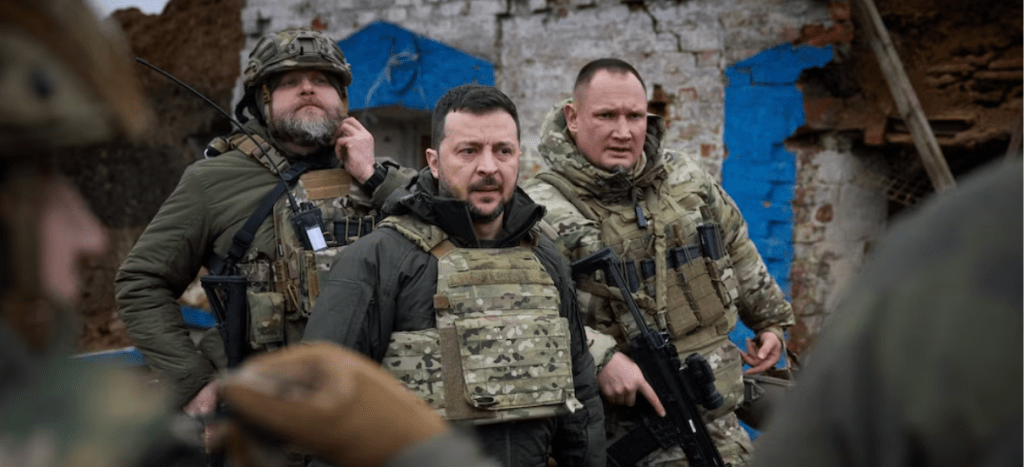
The devastation that Ukrainians have suffered over the last century is not something that should ever be repeated. We should never find ourselves yet again suffering from the risks that the Cold War posed to international security, but here we are. 90 years after the Holodomor, Ukraine is being oppressed again by Russia. 60 years after the Cuban Missile crisis, we are at the same level of escalation as we were when the United States government was at DEFCON-2 during the crisis. What we should be asking ourselves now, as we reach two years since the invasion, is what are we going to learn from these events? How are we going to use this knowledge, which we are lucky to have at our disposal, for the better?
It is frightening that events which were so traumatic to live through less than a century ago during the Cold War and the time of the Soviet Union are being repeated in such a consonant way now. The similarities between these two periods of history, one of which we are living through right now, is proof of how little things can change over time. The recent invasion has the potential to grow into an international dispute, much like the Cold War before it, therefore we should not ignore the threat that it poses.
 archive anecdotes
Leave a comment