
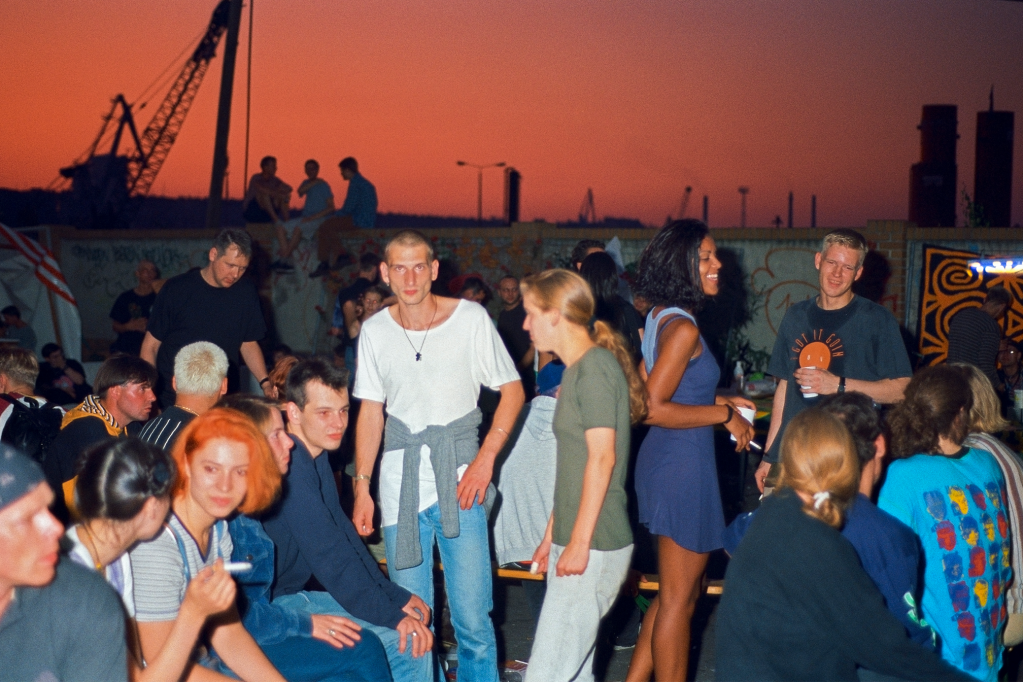
After the fall of the Berlin Wall, the city was in a very fluid state, experiencing a surge of creativity and experimentation as young people from both sides of the divide came together to celebrate their newfound freedom. Both sides of previously divided Berlin were full of abandoned warehouses, buildings, and bunkers, all of which were perfect for an underground party scene with techno at its heart.
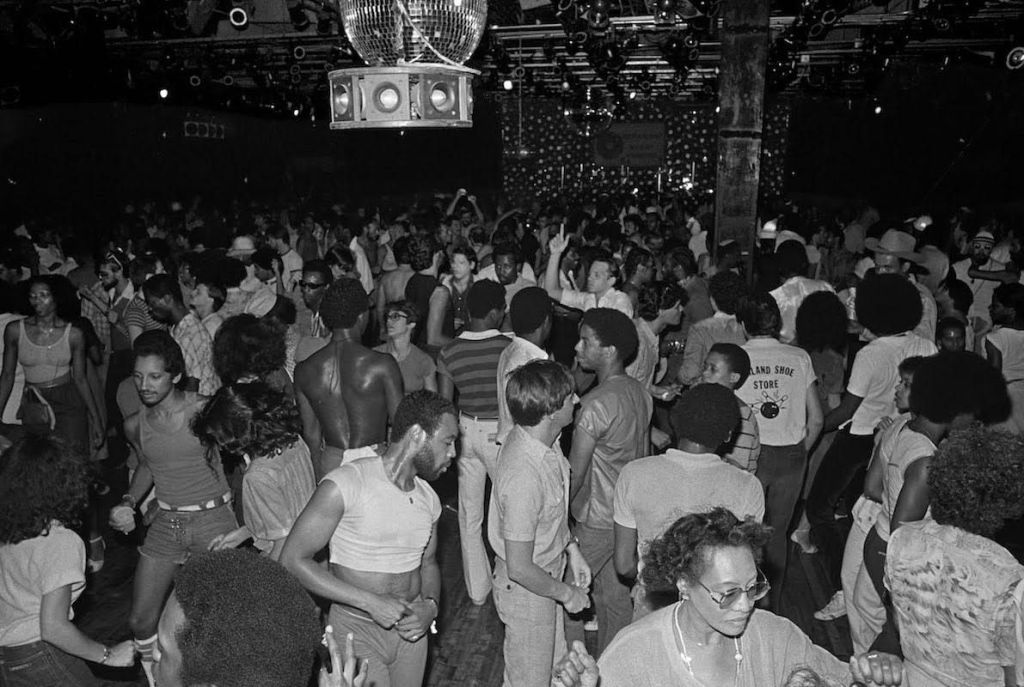
Techno music originally arrived in Berlin from Detroit in the late 1980s. It has emerged as a genre in the US city due to economic and social decline that had been plaguing it for decades because of the downfall of the car-production industry and the relocation of large numbers of people to the suburbs. Detroit, by the time the late eighties rolled around, was nothing but a ghost town of what used to be a booming metropolis in the midwestern United States. In this vaguely dystopian context, three high school students from Belleville, a suburb of Detroit, wrote their first songs. They became known as the Belleville Three and the fathers of techno music.
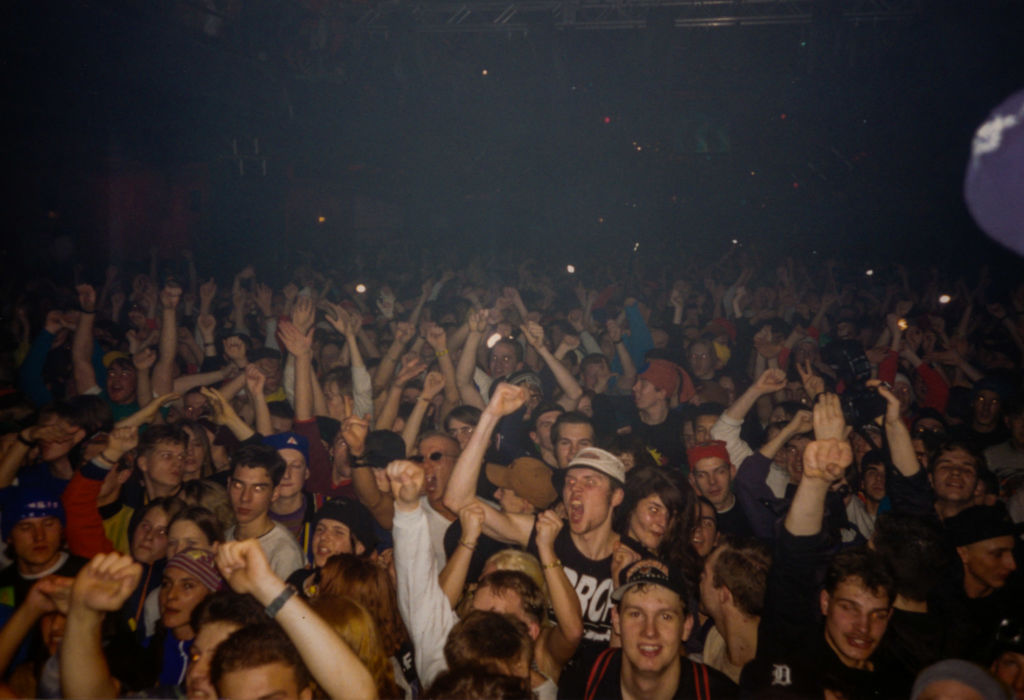
This genre began to gain prominence in Berlin just after the fall of the Wall, when the city faced an ideological clash and looked and felt like Detroit a few years earlier. At first, the gatherings and raves were illegal and unregulated, and dancing in areas where they’d previously have been shot at had quite a liberating effect on the young people in Berlin.
A few months after West and East Germany were officially reunified, in March 1991, the club Tresor opened near Potsdamer Platz. While the Berlin Wall divided the city, the Todesstreifen, or ‘death strip’ that was the barricade of the Soviet sector, ran between Potsdamer Platz and Leipziger Platz. Tresor was opened right by this wasteland, converted from an old Wilhelmine-era department store bank vault. It became the city’s first techno club, and while its location has changed now, Tresor continues to exist. Other key clubs from the nineties include Berghain, KitKat, and Friseur.
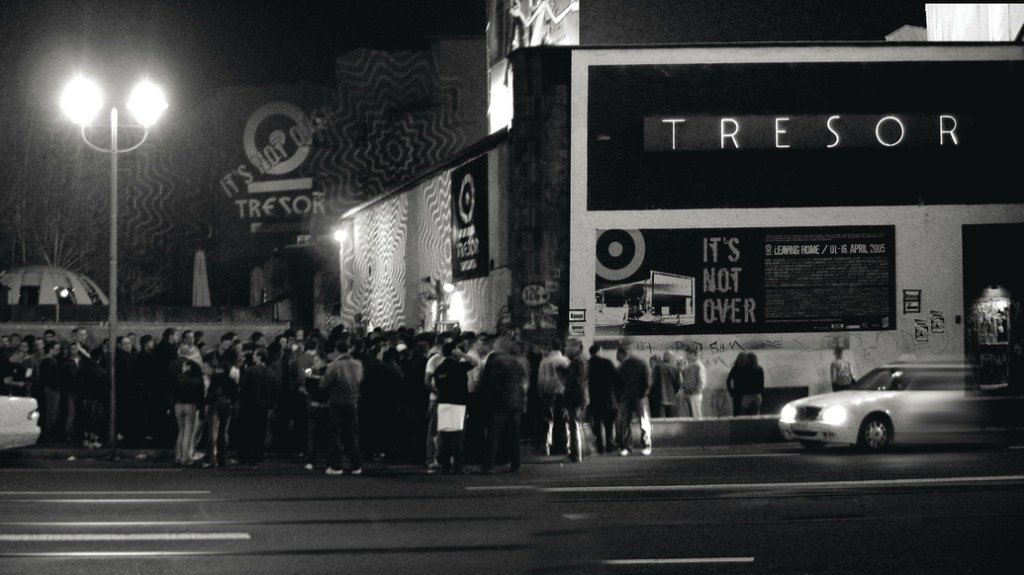
The often lyricless songs with an intense bass drum on every beat made it perfect to dance to, bringing people from both sides of the city together. But while the music itself was and continues to be an important element of the Berlin Techno scene, it also consists of an inclusive, experimental, and tolerant culture. It served as a place where individuals could congregate and freely express themselves without fear of discrimination or judgement. This openness and acceptance generated a creative energy that nourished the city’s art, fashion, and culture in addition to the music.
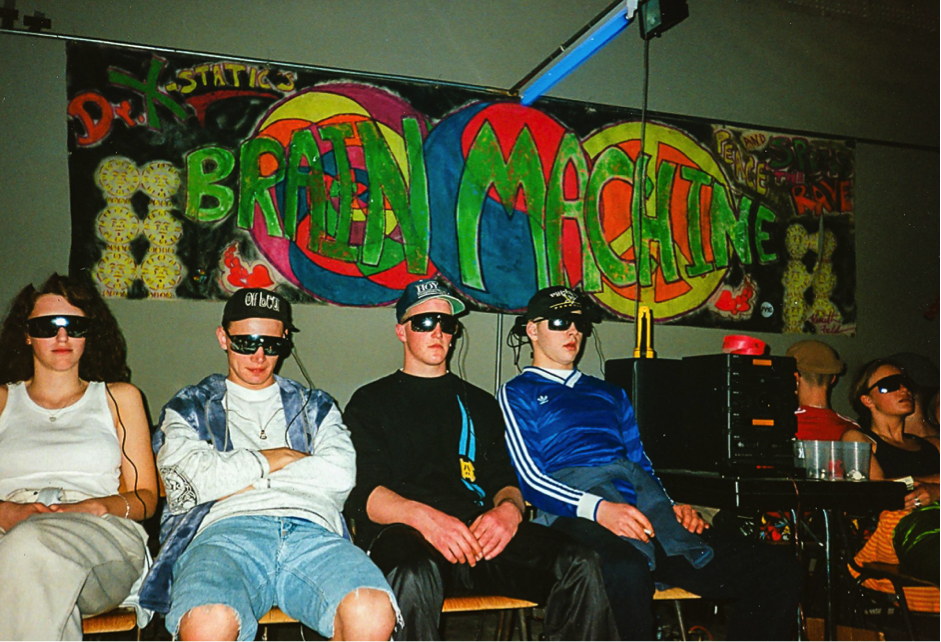
Over the years and decades, techno not only served as a way for East and West Berliners to come together again, but it became an integral part of the city’s culture. Berlin is considered the techno capital of the world, and it draws both foreigners and locals into its clubs. This month, UNESCO has included Berlin’s techno scene on its list of intangible cultural heritage, which aims to preserve and advance significant cultural traditions. This step highlights the importance of techno culture in the city of Berlin but also makes it more likely that this specific club culture will be seen as a significant industry deserving of defence and assistance.
 archive anecdotes
Leave a comment